Listen, we need to have a serious talk about your summer rolls. I know exactly how this story goes because I have lived it, and frankly, I have ruined enough dinner parties in my past to write a thesis on it. You see a beautiful, translucent, perfectly tightly wrapped Vietnamese summer roll on your social media feed. You think, “I can do that! It’s just salad in a clear wrapper!” You run to the store, buy a pack of dried rice paper, and invite your friends over for a sophisticated, healthy dinner.
Fast forward three hours. Your kitchen looks like a disaster zone. Your cutting board is covered in a sticky, gelatinous film that resembles a jellyfish. You have a pile of torn, mangled wrappers in the trash, and your guests are politely chewing on a deconstructed salad while side-eying your stress sweat.
You don’t need a Michelin star to make a flawless summer roll, and you certainly don’t need to order takeout to save the night. You just need to understand the basic science of starch hydration. As a home cook who survives the weekday grind with quick hacks so I can obsess over weekend culinary projects, I have zero patience for pretentious chef-speak. But I do have a deep, abiding respect for food science, because understanding why an ingredient behaves the way it does is the only way to master it.
Today, we are going to break down exactly why your rice paper keeps tearing, why hot water is the absolute enemy of a good roll, and how you can transform this frustrating kitchen nightmare into a brilliant, interactive, and prep-heavy communal dining format. We are going to build a mindful summer roll night that requires zero active cooking once your guests arrive. Pour yourself a glass of wine, grab your favorite chef’s knife, and let’s get into it.
The Rice Paper Reality Check: Why We Fail
Let us establish a baseline truth: rice paper is deeply misunderstood by the average western home cook. We treat it like pasta. We assume that because it is hard and brittle in its packaged state, it needs to be boiled into submission. This is a fundamental misunderstanding of the ingredient, and it is one of those seven rookie kitchen mistakes that will absolutely ruin your vibe before the dinner party even begins.
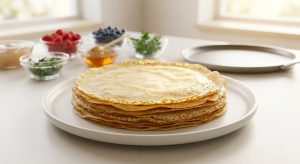
When you buy a package of traditional Vietnamese rice paper, known as bánh tráng, you are holding a marvel of culinary engineering. These delicate sheets have been meticulously crafted, steamed, and dried on bamboo mats. If you look closely at a premium wrapper, you will see a subtle cross-hatched pattern on the surface. That is not just for aesthetics; the pattern is an imprint of the woven bamboo used during the drying process, and it actually helps water distribute evenly across the surface via capillary action when you rehydrate it.
The typical failure cascade looks like this: You boil a kettle of water. You pour that scalding water into a bowl. You take a brittle sheet of rice paper and submerge it completely. Within three seconds, the paper collapses into a wrinkled, sticky wad. You panic and try to pull it out, but it folds in on itself. You frantically attempt to pry the edges apart, but the delicate sheet tears, leaving you with a sticky, unusable lump of starch. You throw it away and try again, this time leaving it in for less time, but the edges are still brittle while the center is mush.
The problem is not the brand of the rice paper. The problem is not your manual dexterity. The problem is your water temperature and your soaking time. You are aggressively over-hydrating a delicate matrix of starches, and the physics of the situation are entirely against you. To fix this, we have to look at what is actually happening on a molecular level.
The Science of the Tear: Why Hot Water is the Ultimate Enemy
If you want to stop tearing your wrappers, you have to stop treating them like a boiling water bath is a spa day. It is an execution. To understand why, we need to dissect the wrapper itself.
Anatomy of a Wrapper: Tapioca vs. Rice Flour
Despite the name “rice paper,” a high-quality wrapper is rarely made of 100% rice flour. If you look at the ingredient list of a premium bánh tráng, you will typically find four simple ingredients: rice flour, tapioca starch, water, and salt. The ratio of rice flour to tapioca starch is the secret to the paper’s performance.
Rice flour provides the structural backbone. It gives the wrapper its bite, its slightly opaque appearance, and its ability to hold heavy fillings without instantly dissolving. However, rice flour on its own is quite brittle. If you were to use a wrapper made entirely of rice flour, it would crack the moment you tried to fold it over a piece of shrimp.
Enter tapioca starch. Extracted from the cassava root, tapioca is the magic ingredient that provides elasticity, stretch, and that signature chewy texture. It acts as the flexible glue that binds the rigid rice flour particles together. When properly hydrated, tapioca starch allows the wrapper to stretch tightly around a bundle of herbs and noodles without snapping. But tapioca starch comes with a very specific thermal vulnerability, and this is where most home cooks completely destroy their dinner.
The Gelatinization Trap
Starches undergo a process called gelatinization when they are exposed to water and heat. This is the process where starch granules absorb water, swell up, and eventually burst, releasing starchy molecules into the surrounding liquid and creating a sticky, glue-like gel.
Here is the critical piece of food science you need to memorize: tapioca starch has a relatively low gelatinization temperature. Research shows that tapioca starch begins to fully gelatinize around 73°C (163°F).
When you plunge a sheet of rice paper into a bowl of boiling water (which sits at 100°C or 212°F), you are violently blasting past the tapioca’s gelatinization point. The starch granules on the surface of the wrapper absorb the boiling water instantaneously, swell, and burst. The wrapper immediately turns into a sticky, unmanageable glue trap. Because the outer layers gelatinize so fast, they actually form a gummy barrier that prevents water from evenly penetrating the inner layers of the wrapper. This is why you end up with a wrapper that is simultaneously a tearing, sticky mess on the outside and weirdly brittle on the inside.
Hot water is not your friend. It is a highly destructive force that breaks down the structural integrity of the tapioca starch before you even have a chance to add your fillings.
The “Room Temperature” Revelation: Hydrating the Right Way
Now that we know boiling water causes catastrophic structural failure, what is the solution? It is almost insultingly simple: use warm or room-temperature water.
You want water that feels like lukewarm bathwater—ideally around 40°C or 104°F. At this temperature, the water is warm enough to relax the starches and encourage hydration, but it is well below the 73°C gelatinization threshold. This allows the wrapper to absorb moisture slowly and evenly, maintaining its structural integrity and its elasticity.
The 3-Second Spin
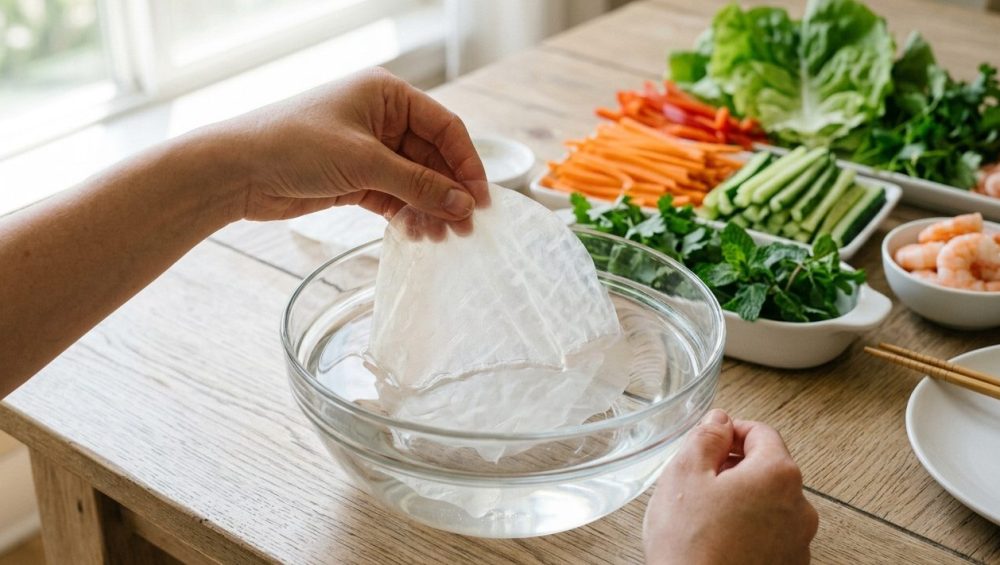
The second biggest mistake people make is treating the water bath like a soaking tub. Rice paper does not need to soak; it needs to be dipped. The industry standard technique for a flawless wrapper is what we will call the “3-Second Spin.”
Fill a wide, shallow vessel with your lukewarm water. Take a single sheet of dry rice paper and submerge it. Immediately begin rotating the paper like a steering wheel, ensuring that the entire surface area—including the edges—passes through the water. Count to three. One, two, three. Now, pull it out.
When you pull the wrapper out of the water, it should still feel stiff. It should not be floppy, it should not be completely translucent, and it should certainly not be folding in on itself. If it feels like a wet noodle in your hands, you left it in the water for too long. It is counterintuitive, but you must trust the process.
The Crucial Resting Phase
When you pull that stiff, slightly damp wrapper out of the water, place it immediately onto your rolling surface. This is where the magic happens. The wrapper is coated in a thin layer of residual water. Over the next 30 to 60 seconds, while you are busy arranging your beautiful mise en place of shrimp, herbs, and noodles onto the lower third of the paper, the wrapper will continue to absorb that surface water.
By the time you are ready to fold and roll, the wrapper will have transformed from a stiff disc into a perfectly pliable, stretchy, and strong sheet. Because you hydrated it slowly and evenly, the tapioca starch has retained its elasticity without turning into glue. It will stretch over your ingredients smoothly, and it will stick to itself perfectly to seal the roll, without tearing.
Toxic Gear and Why Your Kitchen Needs an Audit
I would be remiss as your resident kitchen advocate if I did not take a moment to address the absolute state of the equipment you are using to prep these meals. I have a strict “no-go” rule on toxic, cheap kitchenware, and a summer roll night is precisely where bad gear will sabotage your efforts and your health.
The Danger of Cheap Non-Stick and Plastic
What are you using for your water bath? I have seen people pour warm water into a cheap, scratched-up, peeling Teflon skillet because it is the only vessel they own that is wide enough to accommodate an 8.5-inch sheet of rice paper. Listen to me very carefully: we are not ruining your nonstick pans with metal utensils, and we are certainly not using flaking, toxic mystery-metal skillets as a soaking bath for our fresh food.
If your non-stick pan is peeling, throw it in the trash. It is leaching forever chemicals into your food. Instead, use a wide, shallow ceramic bowl, a glass pie dish, or a high-quality, uncoated stainless steel skillet. These materials are non-reactive, completely safe, and hold the temperature of the lukewarm water perfectly without off-gassing anything sinister into your meal.
Choosing the Right Rolling Surface
The surface you choose to roll your rice paper on is just as critical as the water temperature. If you try to roll a hydrated, sticky sheet of tapioca starch on a dry, porous wooden cutting board, the wood will aggressively absorb the moisture from the wrapper, fusing the paper to the board. When you try to lift it, it will tear instantly.
You need a smooth, non-porous surface. A large ceramic dinner plate works beautifully. A high-quality, BPA-free composite cutting board is also excellent. If you are serious about your summer roll game, you can even invest in a specialized plastic rice paper tray that features drainage holes to prevent pooling water. Whatever you do, make sure the surface is clean and lightly damp. Do not use a deeply gouged, cheap plastic cutting board, unless you particularly enjoy rolling microplastics directly into your healthy dinner.
The Mindful Summer Roll Night: A Blueprint for Effortless Hosting
Now that we have solved the physics of the tearing wrapper, let us talk about the real reason you are reading this: you want to host a dinner party that doesn’t make you want to pull your hair out.
The traditional dinner party format is broken. The host spends three days stressing over a menu, spends the entire party sweating over a hot stove, and finally sits down to eat an overcooked roast just as the guests are getting ready to leave. It is exhausting, it is isolating, and it completely defeats the purpose of gathering people together in the first place.
Eliminating Active Cooking
If you want to truly master the art of effortless hosting, you need a format that shifts the labor away from the stove and into the prep phase. A DIY Summer Roll Night is the ultimate hack for this.
The beauty of this meal is that 100% of the active cooking and chopping is done before anyone rings the doorbell. You spend your afternoon peacefully washing herbs, slicing vegetables, and whisking sauces. By the time your friends arrive, your kitchen is clean, the food is beautifully arranged on platters, and your only job is to pour the wine and show them how to dip their rice paper.
The Psychology of Communal Dining
This format is not just easier for you; it is significantly more enjoyable for your guests. There is a deep, primal satisfaction in assembling your own food. It sparks conversation, it encourages creativity, and it completely removes the pressure of the formal, plated dinner.
When you lay out a massive spread of vibrant vegetables, fresh herbs, and savory proteins, you are inviting your guests to play with their food. It is inherently mindful. You have to focus on the textures, the colors, and the delicate process of rolling. This hands-on, prep-heavy strategy is the perfect way to cure cooking anxiety entirely, because there is no grand reveal of a perfectly roasted centerpiece. The meal is the activity itself.
Prep Like a Pro: The Ultimate Mise en Place
The success of a DIY roll night lives and dies by the mise en place—the French culinary term for “everything in its place.” Because you are not cooking during the party, your prep work must be meticulous. You are building a flavor and texture matrix for your guests to pull from.
Protein Perfection
Your proteins need to be flavorful, pre-cooked, and sliced thinly enough that they will not puncture the delicate rice paper.
- Shrimp: The classic choice. Poach them gently in water flavored with a smashed garlic clove and a slice of ginger until just pink. Immediately plunge them into an ice bath to stop the cooking and preserve their snap. Slice them in half horizontally so they lay flat against the wrapper.
- Pork: Thinly sliced leftover roast pork, or a quick pan-seared pork belly glazed with a touch of soy and honey.
- Tofu: For your plant-based friends, press a block of extra-firm tofu, slice it into thin matchsticks, and pan-fry it until crispy.
The Vegetable Matrix and Knife Skills
This is where your knife skills are put to the test. You want to create a rainbow of crunch, but the cuts must be precise. Thick, chunky vegetables will snap your wrappers in half.
You need to julienne your vegetables—cutting them into thin, elegant matchsticks. Carrots, cucumbers, and bell peppers are mandatory. If your knife skills are lacking, do not be ashamed to use a high-quality julienne peeler or a mandoline. Just please, make sure your tools are sharp. You do not want to be ruining your knives on a hard, inappropriate surface while trying to hack through a dense carrot. A dull knife will crush the vegetable cells rather than slicing them cleanly, resulting in watery, sad veggies that leak all over your beautiful spread.
The Herb Bouquet and Vermicelli
The soul of a Vietnamese summer roll lies in the fresh herbs. Do not skimp here. You need massive, overflowing bowls of fresh mint, cilantro, and Thai basil. Do not substitute sweet Italian basil for Thai basil; the flavor profiles are entirely different. Wash them thoroughly, dry them completely in a salad spinner, and pick the leaves off the tough stems.
Finally, the vermicelli rice noodles (bún). These provide the soft, comforting bulk of the roll. Soak them in hot water until they are opaque and tender, then—and this is a crucial step—drain them and rinse them vigorously under cold running water. This stops the cooking process and washes away the excess surface starch, preventing them from turning into a giant, unmanageable clump on the serving platter.
The Art of the Roll: A Step-by-Step Masterclass
The table is set. The water baths are warm. Your guests are ready. Now, it is time to demonstrate the technique. You only need to show them once, but you must teach them the proper architecture of a stable roll. If someone makes a mistake, step in and gracefully fix your food before it turns into a frustrating mess.
The “Lettuce Bundle” Armor Technique
The number one reason rolls tear during assembly is that sharp, rigid ingredients (like the ends of julienned carrots or crispy fried tofu) poke through the delicate stretched tapioca. To prevent this, we use the “Lettuce Bundle” technique.
Take a soft, pliable piece of butter lettuce or a trimmed piece of green leaf lettuce. Place your vermicelli noodles, your julienned crunchy vegetables, and a few sprigs of herbs directly into the cup of the lettuce leaf. Roll the lettuce leaf tightly around these ingredients to create a secure, soft little sleeping bag.
Now, place your beautiful, show-stopping ingredients—like the pink halves of the shrimp or the bright Thai basil leaves—face down directly onto the lower third of the hydrated rice paper. Place your pre-rolled lettuce bundle directly on top of the shrimp. The soft lettuce acts as a protective layer of armor, shielding the delicate rice paper from the sharp edges of the carrots and noodles inside.
The Fold, Tuck, and Roll
Once your ingredients are stacked, it is time to close the deal. If you follow these simple steps to culinary artistry, you will have a perfect cylinder every time:
- The Bottom Fold: Lift the bottom edge of the rice paper (the edge closest to you) and stretch it tightly over the top of the lettuce bundle. Tuck the edge of the paper firmly under the ingredients to eliminate any air pockets.
- The Side Tuck: Fold the left side of the wrapper directly into the center. Then, fold the right side into the center. It should now look like an open envelope.
- The Final Roll: Keep tension on the bundle with your fingers, and roll the entire package forward, away from you, until the remaining rice paper seals the roll. Because you hydrated it perfectly in lukewarm water, the tapioca starch will adhere to itself flawlessly, creating a tight, springy, translucent seal.
Liquid Gold: Dipping Sauces to Seal the Deal
A summer roll without a dipping sauce is just a wet salad. The sauce is the bridge that connects all the fresh, crunchy, herbal elements together. For a proper dinner party, you need to offer at least two distinct flavor profiles.
First, the rich, savory Peanut Hoisin Sauce. Whisk together creamy peanut butter, high-quality hoisin sauce, a splash of rice vinegar, a few drops of toasted sesame oil, and a spoonful of chili garlic sauce for heat. Thin it out with a little warm water until it reaches a velvety, dippable consistency. And please, make sure your utensils are thoroughly rinsed before mixing; there is nothing worse than realizing your silicone spatulas taste like soap because they absorbed your dishwasher detergent, completely ruining a perfectly balanced peanut sauce.
Second, the bright, acidic Nuoc Cham. This classic Vietnamese dipping sauce cuts through the richness and highlights the fresh herbs. Combine warm water, sugar, fresh lime juice, and a high-quality fish sauce until the sugar dissolves. Do not use the cheap fish sauce that smells like a dirty aquarium; buy a premium, first-press brand. Add minced garlic and thinly sliced bird’s eye chilies. It should be a perfect, vibrating balance of sweet, sour, salty, and spicy.
Troubleshooting Your Roll Night
Even with the best preparation, things can occasionally go sideways. Here is how to troubleshoot the most common issues on the fly:
“My paper is still tearing!”
You are either leaving it in the water bath too long, or you are overstuffing the roll. Greed is the enemy of a structural wrap. Reduce the amount of filling by 30% and try again. If the paper is hopelessly compromised, do not panic. Simply take a second sheet of rice paper, hydrate it, and double-wrap the broken roll. It adds a bit more chew, but it saves the food.
“My rolls are sticking to the plate!”
Rice paper is incredibly sticky as it dries. If you are making a batch of rolls ahead of time (which I do not recommend, but sometimes life happens), you must keep them from touching each other. Space them out on a tray and cover them with a damp paper towel, or wrap them individually in plastic wrap.
“My cutting board is a sticky nightmare!”
By the end of the night, your rolling surface will likely be coated in a thin, invisible layer of dried tapioca starch. Do not ruin your sponges trying to scrub it off. You desperately need a bench scraper. A quick pass with a metal or stiff plastic bench scraper will lift the gelatinized starch right off the board in seconds, making cleanup completely painless.
Mastering the summer roll is not about having superhuman dexterity or buying the most expensive imported ingredients. It is simply about respecting the science of the food in front of you. By ditching the boiling water, embracing the 3-second spin, and setting up a thoughtful, beautiful mise en place, you completely eliminate the stress of hosting.
You empower your guests to interact with their meal, you save yourself hours of frantic stovetop cooking, and you get to actually sit down and enjoy the party you threw. Transforming kitchen chaos into a peaceful daily habit is entirely possible when you arm yourself with a little bit of knowledge and a lot of fresh herbs. So go throw away that peeling non-stick pan, buy a mountain of mint, and invite your friends over. You’ve got this.