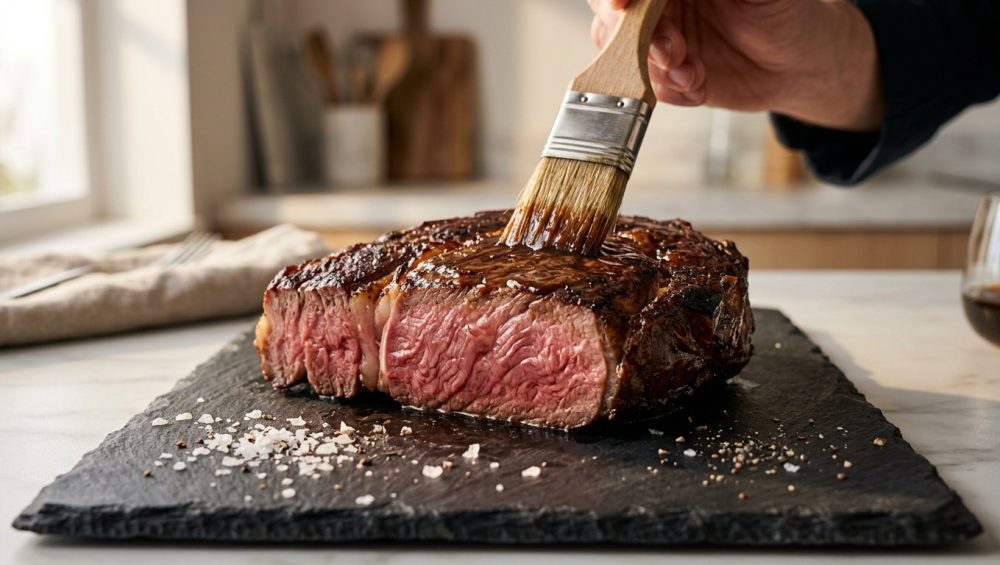
Listen up, weekend culinary warriors. We need to have a serious talk about a kitchen lie you’ve been fed for decades. You know the one. It’s that recipe that smugly tells you to whisk together olive oil, soy sauce, a mountain of minced garlic, and a heavy splash of lemon juice, then demands you drown your expensive cut of meat in it overnight. The promise? That this magical concoction will deeply penetrate the meat, infusing every single microscopic fiber with flavor.
Spoiler alert: It doesn’t.
If you are tired of spending your precious weekday evenings prepping elaborate liquid baths only to bite into a chicken breast that tastes like a salt lick on the outside and damp cardboard on the inside, you are in the right place. As a busy professional who has set off the smoke detector more times than I care to admit, I have zero patience for pretentious culinary myths that waste my time. We want maximum flavor, we want it efficiently, and we want to understand the actual science behind our food so we can stop relying on outdated wives’ tales.
Today, we are tearing down the myth of the overnight marinade. We are going to look under the microscopic hood of osmosis and diffusion, explain exactly why your marinades are failing you, and teach you how to fix it using techniques that actually work. We are trading hours of wasted prep time for the magic of dry brining and the intense, palate-smashing power of post-cook glazes. Grab your favorite beverage, sharpen your favorite knife, and let’s get into the science of why your marinades only flavor the surface.
The Myth of the Overnight Marinade
Let’s start by addressing the elephant in the refrigerator. The conventional wisdom passed down from generation to generation is that meat is like a sponge. The longer you let it sit in a flavorful liquid, the more liquid it will soak up.
This is fundamentally, scientifically, and demonstrably false.
Meat is not a sponge. It is a dense, tightly packed bundle of protein fibers that is already saturated with water. In fact, raw meat is composed of roughly 75% water [1]. Think about trying to wipe up a spill with a sponge that is already completely soaked. It doesn’t matter how long you leave that wet sponge sitting in the puddle; it is physically incapable of absorbing any more liquid. When you submerge a steak or a chicken thigh in a watery marinade, there is simply no room for that liquid to enter the muscle tissue.
Instead, the marinade just sits on the surface, pooling in tiny microscopic cracks and crevices. You can leave it in the fridge for two hours or two days, and that flavorful liquid is rarely going to penetrate more than a millimeter or two beneath the surface [1]. The result? A psychological trick. When you take a bite, your tongue hits that highly seasoned, marinated exterior crust first. Your brain registers “flavor!” but as you keep chewing, you realize the center of the meat is completely bland. It’s the culinary equivalent of a fresh coat of paint on a crumbling house.
And it gets worse. Wet, water-based marinades actively sabotage your cooking process. When you take a soaking wet piece of meat and throw it into a hot skillet or onto a grill, all that surface moisture has to evaporate before the meat can actually begin to brown. Instead of searing, you are effectively steaming your meat in a shallow pool of its own marinade. Steam is the enemy of the Maillard reaction—the chemical process responsible for that gorgeous, crispy, deeply savory brown crust we all crave [1].
The Molecular Science: Why Marinades Fail to Penetrate
To truly understand why we need to ditch the liquid soak, we have to look at the chemistry of flavor molecules. When you mince a clove of garlic or crush a sprig of rosemary, you are releasing complex aromatic compounds.
Garlic, for example, gets its signature pungent flavor from a compound called allicin. Allicin is only created when the cell walls of the garlic are ruptured (which is why a whole clove smells like nothing, but a minced clove smells like heaven) [2]. But here is the critical problem: the allicin molecule is massive. The flavor compounds in herbs, spices, sugar, and oils are gigantic on a molecular scale.
Now, look at the structure of meat. Muscle fibers are long, dense cells bundled tightly together [3]. The spaces between these fibers are incredibly small. The giant flavor molecules of garlic, black pepper, and paprika are simply too large to pass through the tight matrix of the meat’s muscle fibers. They are like golf balls trying to pass through a screen door. They get stuck on the outside.
There is, however, one glaring exception to this rule: Salt.
Salt (sodium chloride) is composed of tiny, highly mobile ions. When salt is applied to the surface of meat, it doesn’t just sit there. It dissolves in the meat’s surface moisture and begins to migrate inward through a process called diffusion. Because sodium and chloride ions are so small, they can easily slip between the muscle fibers, traveling deep into the center of the meat [3].
This is why your marinades always make the outside of your meat taste garlicky and sweet, but the inside only ever tastes salty. The salt is the only ingredient in your entire expensive marinade that is actually doing any internal work. So why are we bothering with the liquid at all?
The Acid Trap: When Marinades Turn Meat to Mush
“But wait!” you say. “What about acid? Every recipe tells me to use lemon juice, vinegar, or wine to tenderize the meat!”
Ah, yes. The acid trap. This is where marinades go from being merely ineffective to actively destructive.
It is true that acids denature proteins. When an acidic ingredient like citrus juice or vinegar comes into contact with meat, it attacks the tightly coiled protein structures, causing them to unwind and loosen up [4]. In theory, this sounds great. Looser proteins mean tender meat, right?
Wrong. Because the acid cannot penetrate deeply into the meat (again, the molecules are largely stuck on the outside), it concentrates all of its destructive power on the outermost millimeter of the flesh. If you leave meat in an acidic marinade for too long, the pH drops to what food scientists call the “isoelectric point” [4]. At this specific pH level, those unwound proteins start to snap back together, forming a tight, tangled web that aggressively squeezes out moisture.
The result is a textural nightmare. The surface of your meat becomes chalky, mealy, and mushy, while the interior remains tough and chewy [4]. Have you ever bitten into a piece of marinated chicken that somehow felt both dry and spongy at the same time? That is the acid trap in action. It is the exact reason why your chicken breast turns out dry despite sitting in a liquid bath for 24 hours.
If you absolutely must use an acidic marinade for surface flavor, you need to treat it like a ticking time bomb. Delicate proteins like fish or shrimp should never sit in an acid for more than 15 to 30 minutes, or they will chemically “cook” (think ceviche) and turn to rubber. Chicken and pork should max out at two hours. Beef can handle a bit more, but even then, you are playing a dangerous game with texture.
The “No-Go” Rule: Why Toxic Cookware Ruins Good Meat
Before we get to the solutions, I need to pause and address a critical issue. As your sassy sous-chef, I have a strict “no-go” rule when it comes to toxic kitchen gear. I don’t care if you master the molecular science of osmosis; if you are cooking your perfectly prepped meat in a cheap, peeling Teflon pan, you are ruining your dinner and potentially your health.
I have absolutely zero patience for mystery metals and degraded non-stick coatings. When you try to sear meat in a cheap non-stick skillet, you cannot safely reach the high temperatures required for a proper Maillard reaction. If you push the heat too high, those toxic chemical coatings can begin to break down, releasing noxious fumes and flaking forever-chemicals directly into your food. It is disgusting, it is dangerous, and it stops today.
If you want to cook like a pro at home, you need to be banishing toxic kitchen gear immediately. For searing meats and building the incredible pan sauces we are about to discuss, you need equipment that can handle high, sustained heat without flinching.
Invest in a heavy-bottomed stainless steel skillet or a high-quality carbon steel pan. Yes, they require a tiny bit of technique to prevent sticking, but once you learn the water drop test to gauge your pan’s temperature, you will unlock a level of searing power you never knew existed. These safe, durable materials allow you to develop a deep, caramelized crust on your meat, leaving behind a foundation of concentrated flavor (fond) that is essential for our next steps.
The Solution Part 1: The Magic of Dry Brining
If liquid marinades are a waste of time and acid ruins our texture, how do we get deeply seasoned, incredibly juicy meat without the fuss?
Enter dry brining. This is the single most important technique you can learn to elevate your everyday cooking, and the best part is that it requires less active work than making a marinade.
Dry brining is exactly what it sounds like: salting your meat in advance and letting it rest, uncovered, in the refrigerator [5]. No water, no messy bags of liquid, no wasted ingredients. Just you, your meat, and kosher salt.
Here is the molecular magic of what happens when you dry brine:
- Osmosis: When you apply salt to the surface of the meat, it draws moisture out of the muscle fibers. For the first few minutes, your meat will look wet and glossy as it “sweats.”
- Dissolution: The salt dissolves in this extracted surface moisture, creating a highly concentrated, natural liquid brine right on the surface of the meat.
- Diffusion and Restructuring: Because the salt ions are tiny, this concentrated brine is slowly reabsorbed back deep into the muscle tissue. As the salt moves inward, it goes to work on the meat’s proteins—specifically targeting myosin. The salt dissolves these proteins, causing the tight muscle fibers to relax and form a gel-like network.
- Moisture Retention: This relaxed protein structure acts like a net, trapping the meat’s natural juices inside. When you finally apply heat, the meat shrinks less and retains significantly more moisture than un-brined meat.
Furthermore, because the meat is resting uncovered in the cold, dry air of your refrigerator, the surface becomes incredibly dry. When you drop that dry-brined steak or chicken into a hot stainless steel pan, there is no surface moisture to steam away. The Maillard reaction begins almost instantly, creating a spectacular crust.
The Dry Brining Cheat Sheet
To execute a perfect dry brine, use roughly 1/2 to 3/4 teaspoon of kosher salt per pound of meat [5]. Rub it evenly over the surface, place the meat on a wire rack set over a baking sheet (to allow air to circulate underneath), and put it in the fridge.
- Thin Cuts (Chicken breasts, pork chops, steaks under 1 inch): 1 to 4 hours.
- Thick Cuts (Thick steaks, whole chickens, pork roasts): 12 to 24 hours.
- Massive Cuts (Whole turkeys, briskets): 24 to 48 hours.
- Seafood (Shrimp, fish fillets): 15 to 30 minutes. (Fish proteins are delicate; leaving them too long will cure them).
You can absolutely mix dried spices (like black pepper, smoked paprika, or garlic powder) into your salt before dry brining. Just remember that while the salt will travel deep into the meat, those larger spice molecules will stay firmly planted on the crust, waiting to be toasted when they hit the pan.
The Solution Part 2: Highly Concentrated Post-Cook Glazes
So, we’ve used a dry brine to perfectly season the interior of the meat and restructure the proteins for maximum juiciness. We’ve seared it in a safe, non-toxic pan to develop a gorgeous crust. But what about all those bright, punchy, aromatic flavors we used to try (and fail) to force into the meat with a marinade?
We apply them where they actually belong: on the outside, after or during the very final stages of cooking.
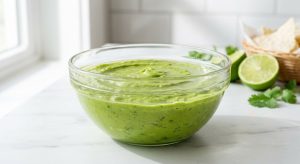
This is where you save time and maximize impact. Instead of diluting your garlic, herbs, citrus, and soy sauce in a massive bowl of oil and water, you are going to concentrate them into a potent glaze, finishing sauce, or compound butter.
When you apply a highly concentrated glaze to meat during the last minute of cooking, the heat of the pan rapidly reduces the liquid, caramelizing the sugars and blooming the spices. Because the flavor molecules aren’t watered down by a long soak, they hit your palate with incredible intensity.
Mastering the Pan Sauce
The ultimate expression of this technique is the pan sauce. After you have seared your dry-brined meat in a stainless steel skillet, remove the meat to let it rest. Look down at your pan. You will see a layer of browned, caramelized bits stuck to the bottom. This is called the fond, and it is culinary gold.
Place the pan back over medium heat. Now, add your aromatics. Toss in your minced shallots or garlic (and keep an eye on the heat so your garlic always burns is a complaint of the past—just sauté for 30 seconds until fragrant). Next, deglaze the pan by pouring in a splash of liquid—this is where your wine, citrus juice, or broth comes into play. The liquid will bubble furiously. Use a wooden spoon to scrape up all that beautiful fond, dissolving it into the liquid.
Let the liquid reduce by half to concentrate the flavors. Finally, turn off the heat and swirl in a knob of cold butter. The magic of cold butter is that it slowly emulsifies into the reduced liquid, creating a thick, glossy, luxurious sauce that clings beautifully to your meat. If you find yourself making these sauces frequently, I highly recommend investing in a curved saucier pan, which prevents whisking dead-zones and keeps delicate sauces from scorching in the corners.
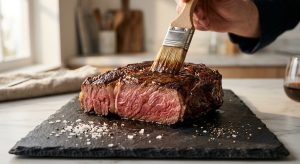
Pour this intense, aromatic sauce over your perfectly seasoned, juicy meat right before serving. You have just achieved far more flavor in five minutes than an overnight marinade could achieve in 24 hours.
Step-by-Step Masterclass: The Ultimate Flavor Protocol
Let’s put all this science into a practical, foolproof protocol for your next weekday dinner. We are going to abandon the overnight soak and embrace efficiency.
Step 1: The Prep (Morning of or Night Before)
Take your meat out of the packaging and pat it completely dry with paper towels. Measure out your kosher salt (1/2 tsp per pound). If you want, mix in some dried herbs or spices. Rub the mixture evenly over the meat. Place it on a wire rack over a plate or sheet pan, and put it uncovered in the fridge. Go to work. Go to sleep. Live your life. The salt is doing the work for you.
(Pro-Tip for Plant-Based Cooks: If you are working with tofu, you can’t dry brine it the same way. Instead, you should always freeze it first to alter its cellular structure, making it porous enough to actually absorb a post-cook glaze!)
Step 2: The Sear (Dinner Time)
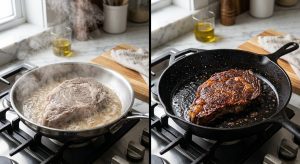
Remove the meat from the fridge. Notice how dry and slightly tacky the surface looks? That is exactly what you want. Do not rinse it. Heat your safe, non-toxic stainless or carbon steel pan over medium-high heat. Add a high-smoke-point oil. Place the meat in the pan and let it sear undisturbed until a deep brown crust forms. Flip and repeat until the meat reaches your desired internal temperature. Remove the meat to a cutting board to rest.
Step 3: The Glaze/Sauce (While the Meat Rests)
While the meat is resting (which allows the juices to redistribute), use the residual heat and fond in your pan to build your flavor. Sauté your aromatics, deglaze with your acid (wine, vinegar, or citrus), reduce, and mount with butter.
Step 4: The Delivery
Slice your perfectly cooked, deeply seasoned meat. Spoon your intense, concentrated sauce over the top. Serve immediately.
Conclusion
Cooking shouldn’t require blind faith in outdated myths, and it certainly shouldn’t require you to waste hours of your life prepping ineffective marinades that only flavor the surface of your food. By understanding the molecular science of osmosis, the limitations of flavor molecules, and the destructive nature of prolonged acid exposure, you can take control of your kitchen.
You don’t need a culinary degree to make mind-blowing food. You just need to work smarter, not harder. Dry brining gives you the deep, internal seasoning and moisture retention you deserve, while post-cook glazes and pan sauces deliver the bright, aromatic punch your palate craves.
Throw out your toxic non-stick pans, ditch the overnight liquid soaks, and step into a new era of effortless, science-backed flavor. You are the master of your kitchen domain—now go cook something incredible.