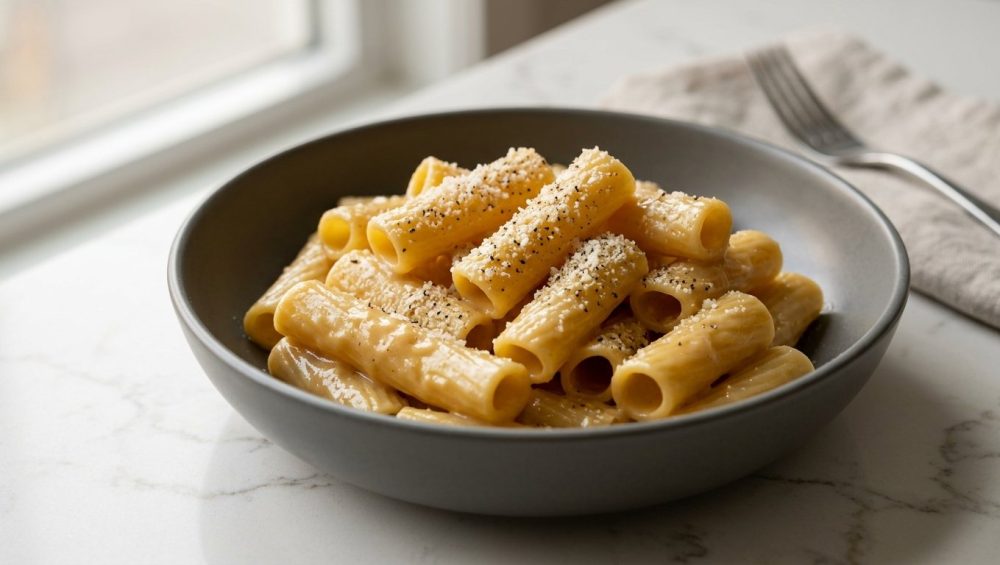
Listen up, noodle abusers. You’ve spent an hour simmering a beautiful, complex marinara or carefully rendering the fat from premium guanciale, only to dump it over a pile of naked spaghetti. What happens next is a culinary tragedy: the sauce immediately slides right off the pasta and pools at the bottom of the bowl like a sad, oily puddle. You’re left eating dry, flavorless noodles on top, and a watery soup of broken sauce on the bottom. It’s depressing, it’s entirely your fault, and we are going to fix it right now.
As a home cook who has made every mistake in the book, I can tell you that serving bare pasta in a puddle of liquid is one of those seven rookie kitchen mistakes that separates the weekend hobbyist from the seasoned expert. You do not need a culinary degree to make restaurant-quality food, but you do need to understand a tiny bit of basic kitchen science.
The Crime Scene: Why Your Pasta is Swimming in a Watery Puddle
Let’s examine the physics of your dinner plate. When you boil pasta, drain it dry in a colander, put it on a plate, and ladle sauce over the top, you are fundamentally ignoring how liquids behave. Most pasta sauces—whether it is a rich bolognese, a vibrant pesto, or a simple aglio e olio—contain a significant amount of fat. This fat comes from olive oil, butter, rendered meat drippings, or cheese.
Meanwhile, your freshly boiled pasta is coated in residual water. As anyone who has ever made a basic vinaigrette knows, oil and water despise each other. They are immiscible. When you pour a fat-heavy sauce over water-slicked noodles, the fat repels the water. Lacking any kind of binding agent, the sauce physically cannot cling to the pasta. It slides off the hydrophobic barrier, leaving you wondering why your pan sauces are watery and unappetizing.
To solve this, we cannot just mix them harder on the plate. We have to force the fat and the water to hold hands and play nice. We have to build an emulsion.
The Anatomy of a Perfect Emulsion: Culinary Science for the Weekend Cook
If you want to cook like a pro without the pretentious chef-speak, you need to understand the concept of emulsification. An emulsion is a mixture of two liquids that would ordinarily refuse to combine. To force them together, you need two things: mechanical agitation (physical movement) and an emulsifier (a chemical mediator).
In mayonnaise, the emulsifier is the lecithin in egg yolks. In a vinaigrette, it is often mustard. But in a pasta dish, your magic emulsifier is starch.
When you drop dried pasta into boiling water, the heat causes the starch granules in the flour to absorb water, swell, and eventually burst open. This process, known as starch gelatinization, releases two types of starch molecules into the water: amylose and amylopectin. These starches are the glue that will hold your entire dish together. The starch acts as a thickening agent and a stabilizer, coating the microscopic droplets of fat in your sauce and preventing them from coalescing back into a greasy oil slick.
Recent studies published in physics journals regarding the fluid dynamics of pasta sauces have confirmed exactly this: without the viscosity-enhancing effects of pasta starch, sauces remain too fluid to adhere to the surface of the noodles. Emulsification is the only way to achieve that glossy, luxurious coating that clings to every single bite. If you find that your pan sauce separates, it is almost always because you lacked the proper starch structure to bind it.
The Golden Nectar: Why Pasta Water is Your Kitchen’s Best Kept Secret
If starch is the glue that builds our emulsion, then the water you boil your pasta in is the most valuable ingredient in your kitchen. It is liquid gold. Yet, every night, millions of home cooks pour this precious resource straight down the drain.
Here is where we need to debunk a massive, pervasive myth: you do not need a giant, bubbling cauldron of water to cook a box of spaghetti. For generations, traditional advice dictated boiling pasta in huge volumes of water. But food scientists and culinary experts like J. Kenji López-Alt have rigorously tested and debunked this.
When you use a massive pot of water, you dilute the starch that the pasta releases. You end up with slightly cloudy water that barely has any binding power. Conversely, if you cook your pasta in a smaller volume of water—just enough to submerge the noodles—you create a highly concentrated, ultra-starchy liquid. This starchy concentration is exactly what you need to act as the glue for your sauce.
Using less water also means the pot comes to a boil much faster, saving you precious time on a busy weeknight. Just remember to stir the pasta frequently during the first two minutes of cooking, as this is the critical window when the noodles release their surface starches and are most prone to clumping together. It also helps prevent the annoying scenario where your pasta pot boils over and ruins your stovetop.
Before you ever drain your pasta, use a heat-proof measuring cup to scoop out at least one to two cups of this cloudy, starchy nectar. You will need it for the final, crucial step of the cooking process.
Debunking the Colander Catastrophes: Stop Rinsing Your Damn Noodles
We need to have a serious talk about what happens when the pasta is done boiling. If you take away nothing else from this masterclass, let it be this: step away from the colander, and absolutely never, under any circumstances, rinse your cooked pasta under the tap.
Rinsing your pasta washes away the sticky, gelatinized surface starches that you just spent ten minutes developing. You are actively scrubbing away the very mechanism that allows the sauce to grip the noodle. The only acceptable time to rinse pasta is if you are making a cold pasta salad and need to halt the cooking process and remove the sticky exterior so the noodles remain loose. For hot dishes, rinsing is a culinary felony.
Equally egregious is the old wives’ tale of adding olive oil to your boiling pasta water. People claim this stops the noodles from sticking together, but this is scientifically bankrupt. Oil and water do not mix. The olive oil simply floats on the surface of the boiling water, doing absolutely nothing while the pasta cooks below.
However, when you drain the pasta, you pour the noodles directly through that floating layer of oil. The oil coats the pasta, creating a slick, hydrophobic barrier. When you try to add your sauce later, it will literally slide right off the waterproofed noodles. You are wasting expensive olive oil and ruining your dinner in one fell swoop. Quality pasta, cooked in properly salted water and stirred early on, will not stick together. Keep the oil out of the water.
The Pan-Finishing Masterclass: How to Marry Sauce and Pasta
Now we arrive at the technique that separates the amateurs from the pros. You are not going to serve bare pasta and ladle sauce on top. You are going to finish cooking the pasta inside the sauce. This technique is known in Italy as mantecatura, and it is the secret to a perfectly emulsified, glossy dish.
Here is the exact blueprint for pan-finishing:
- Undercook the Pasta: Check the package instructions for the “al dente” time, and subtract two to three minutes. The pasta should still have a rigid, slightly chalky bite in the center. It will finish cooking in the pan.
- Heat the Sauce: While the pasta is boiling, have your sauce simmering in a wide, shallow sauté pan or skillet next to the pasta pot.
- The Transfer: Do not dump the pasta into a colander in the sink. Use a spider skimmer or heavy tongs to lift the pasta directly from the boiling water and drop it right into the simmering sauce. It is perfectly fine if some water drips in with it.
- Add the Liquid Gold: Pour a generous splash (about half a cup to start) of your reserved, highly concentrated starchy pasta water directly into the skillet with the pasta and sauce.
- Agitate Like You Mean It: Turn the heat up to medium-high. You need to vigorously toss and stir the pasta in the sauce. This is the mechanical agitation required to build the emulsion.
As you toss, three magical things happen simultaneously. First, the pasta absorbs the flavor of the sauce as it finishes cooking, rather than just absorbing plain water. Second, the heat reduces the added pasta water, concentrating its starches. Third, the violent physical movement forcefully smashes the fat droplets from the sauce into the starchy water, binding them together.
Within 60 to 90 seconds, you will see a miraculous transformation. The watery, separated liquid in the pan will suddenly tighten up, turning into a creamy, opaque, glossy glaze that coats every single strand of pasta perfectly.
The Right Tools for the Job (And What to Throw in the Trash)
You cannot execute a violent, high-heat pan-finishing technique using garbage equipment. I have a strict “No-Go” rule when it comes to toxic, cheap kitchenware, and this is exactly where it matters most.
If you are trying to toss pasta in a flimsy, scratched Teflon pan using metal tongs, you are actively flaking toxic forever chemicals (PFAS) into your food, and you are likely ruining your nonstick pans in the process. Cheap non-stick coatings cannot handle the aggressive scraping of utensils or the rapid temperature changes required for a proper emulsion. Throw them in the trash where they belong.
To cook like an expert, you only need a few beginner kitchen tools that are built to last a lifetime. You need a wide, fully-clad stainless steel skillet or a high-quality enameled cast iron braiser. These materials provide exceptional, even heat distribution, which is critical for reducing the pasta water quickly without scorching the sauce.
If you are intimidated by cooking on bare metal, do not panic. You can easily prevent food from welding itself to the pan by mastering temperature control and performing the simple water drop test to ensure your skillet is properly preheated. Once you understand thermal dynamics, you will never complain that your food sticks to your stainless steel again.
You also need a sturdy pair of kitchen tongs for long noodles, or a stainless steel spider skimmer for short shapes like penne or rigatoni. These tools allow you to transfer the pasta directly from the water to the sauce pan without losing the precious starch coating.
Troubleshooting Common Sauce Disasters
Different sauces require slightly different handling when building your emulsion. Here is how to navigate the most common pitfalls without losing your mind.
The Acidic Trap: Tomato-Based Sauces
Tomato sauces are highly acidic and contain a lot of water on their own. When you add olive oil or butter to finish the sauce, the fat often separates and floats to the top, creating an oily rim around the edge of the plate. To fix this, you must rely heavily on the starchy pasta water. The starch will bind the added fats to the tomato’s natural water content. Toss the pasta vigorously over medium heat, and do not be afraid to add a cold pat of butter at the very end. The cold fat emulsifies more slowly and stably than melted fat, creating a velvety finish.
The Naked Truth: Oil-Based Sauces (Aglio e Olio)
Dishes like Spaghetti Aglio e Olio (garlic and oil) are notoriously difficult for beginners because the sauce is literally just olive oil and water. There are no tomatoes or heavy creams to hide behind. If you mess up the emulsion, you are eating a greasy bowl of slick noodles.
For oil-based sauces, your pasta water must be extremely concentrated. Cook the pasta in the bare minimum amount of water necessary. When you transfer the pasta to the garlic-infused oil, add a large ladle of that ultra-starchy water and toss like your life depends on it. The aggressive physical agitation is the only thing that will force the oil and water to emulsify into a creamy, opaque sauce.
The Temperature Tantrum: Dairy and Cheese Sauces
If you are making Cacio e Pepe, Alfredo, or a carbonara, temperature control is your biggest enemy. Cheese is essentially an emulsion of dairy fat, water, and proteins. If you expose cheese to too much direct heat, the proteins coagulate and squeeze out the fat. This is exactly why your cheese sauce gets grainy and turns into a stringy, clumpy nightmare floating in a pool of grease.
To prevent this, you must take the pan off the heat entirely before adding your finely grated cheese. The residual heat of the pasta and the splash of hot starchy water is more than enough to melt the cheese gently, preventing a disaster where your melted cheese turns oily and separates. Toss rapidly off the heat, adding splashes of pasta water as needed until a silky, uniform cream forms.
Step-by-Step Execution: Your Blueprint to Restaurant-Quality Pasta
Let’s summarize this science lesson into an actionable, idiot-proof checklist for your next weeknight dinner. Time is money, and we are not going to waste either by eating sub-par food.
- Ditch the giant pot: Use just enough water to submerge your pasta. This concentrates the starches you need for the emulsion.
- Salt aggressively: The water should taste like a well-seasoned soup. This is your only chance to flavor the pasta from the inside out.
- No oil in the water: It does not prevent sticking; it only ruins your sauce’s ability to cling to the noodles.
- Stir early and often: Prevent clumping by stirring the pasta during the first two minutes of the boil.
- Save the liquid gold: Scoop out at least a cup of the starchy cooking water before you remove the pasta.
- Undercook the pasta: Pull the noodles out of the water 2 to 3 minutes before they are fully tender.
- Do not rinse: Never wash away the sticky surface starches.
- Finish in the pan: Transfer the pasta directly to a wide, safe, non-toxic skillet containing your heated sauce.
- Emulsify with heat and motion: Add a splash of the starchy water and toss vigorously over medium-high heat until the fat and water bind into a glossy, thick glaze.
- Control your cheese: If adding cheese, remove the pan from the heat first to prevent the proteins from breaking and turning greasy.
Cooking incredible food at home does not require expensive ingredients or a culinary degree. It requires ditching bad habits, understanding the basic physics of the ingredients in front of you, and utilizing the natural tools—like starch—that are already at your disposal. Stop pouring your best ingredient down the drain, throw away your peeling non-stick pans, and start treating your pasta with the respect it deserves. Now go make yourself a bowl of perfectly emulsified noodles, and enjoy the fact that you will never have to eat a watery puddle of sauce again.