We’ve all been there. You spend twenty minutes meticulously dicing onions, picking cilantro leaves off their stems, and mashing perfectly ripe, outrageously expensive avocados into a glorious green mountain of flavor. You serve half of it with dinner, put the rest in the fridge, and wake up the next morning to find a bowl of sad, swampy, oxidized brown sludge. It is the universal kitchen heartbreak. But listen to me carefully: you do not need a culinary degree to outsmart a piece of fruit. You just need a little bit of basic science and the willingness to abandon the useless old wives’ tales your grandmother swore by.
If you are tired of watching your homemade guacamole turns brown so fast [1], you are in the right place. Grab a glass of wine, pull up a stool, and let’s talk about the actual chemistry of avocado oxidation. We are going to aggressively debunk the nonsense kitchen myths that have been wasting your time and ruining your dips. More importantly, I am going to teach you the one foolproof, scientifically backed method to keep your guacamole vibrant, green, and fresh for days.
The Chemistry of the Green: What Is Actually Happening?
Before we can fix the problem, we have to understand the enemy. And no, the enemy is not the avocado itself. The enemy is oxygen.
Let’s get slightly nerdy for a second, but I promise I’ll keep the pretentious chef-speak out of it. Avocados contain an enzyme called polyphenol oxidase (or PPO, if we’re on a first-name basis). This enzyme is completely harmless and just hangs out inside the avocado’s cells, minding its own business. But the second you slice into that avocado, you break those cell walls and expose the PPO to the oxygen in the air.
When polyphenol oxidase meets oxygen, it triggers an immediate chemical reaction. The PPO converts the phenolic compounds in the avocado into quinones. Those quinones then link together to form polymers called melanin. Yes, melanin—the exact same pigment that gives human skin its color and makes apples and potatoes turn brown when you leave them sitting on the counter.
This browning process is entirely natural. In fact, in the wild, this enzymatic browning is a defense mechanism for the fruit. The quinones are toxic to certain bacteria, so the browning helps protect the exposed flesh from rotting immediately. But while it might be a great evolutionary trick for the avocado, it is an absolute disaster for your taco Tuesday.
Now, here is the crucial takeaway: the browning is an oxygen-dependent reaction. If there is no oxygen, there is no browning. It really is that simple. The entire game of keeping guacamole green is a game of creating an impenetrable oxygen barrier. Every single trick, hack, and gimmick you’ve ever heard of is just a poorly executed attempt to stop oxygen from touching the surface of your dip.
Debunking the Myths: Why You Are Wasting Your Time
I have seen home cooks try some truly unhinged things to keep their guacamole green. It is time to aggressively debunk the most popular myths, because frankly, I value your time too much to let you keep doing things that don’t work. Time is money, especially on a busy weeknight, and we need efficiency, not kitchen superstition.
The “Leave the Pit in the Bowl” Delusion
This is the most pervasive, stubborn myth in the culinary world. Someone, somewhere, decided that if you bury the avocado pit in the center of your bowl of guacamole, the whole batch will magically stay green.
Let me be brutally honest: the pit is not a magical talisman. It does not emit a protective forcefield of anti-oxidation energy. The only reason this myth exists is because the guacamole directly underneath the pit stays green. Why? Because the heavy, solid pit is physically blocking oxygen from touching that specific half-inch circle of avocado. That’s it. The rest of the bowl, which is still fully exposed to the air, will absolutely turn brown. You would have to pave the entire surface of your dip with a cobblestone street of avocado pits to actually protect it. Throw the pit in the compost bin and move on.
The Lemon and Lime Juice Overload
We all know that a good squeeze of lime juice is essential for the flavor of guacamole. But people take this way too far. The theory here is that the high acidity (low pH) of citrus juice will denature the polyphenol oxidase enzyme and stop the browning.
Scientifically, this is partially true. Enzymes are fussy; they don’t like highly acidic environments. But to actually drop the pH of your guacamole low enough to completely halt the enzyme activity, you would have to add so much lime juice that your dip would become an inedible, watery, acidic soup. A normal amount of lime juice might buy you an extra hour of greenness, but it is not a long-term storage solution. Stop drowning your beautiful avocados in citrus just to save their color.
The Olive Oil Slick
Some folks swear by pouring a thin layer of olive oil over the top of the guacamole. Oil and water don’t mix, and oil does create a decent barrier against oxygen. This method is actually used successfully for things like pesto.
However, guacamole is not pesto. Pouring a slick of olive oil over your avocado dip changes the texture and the flavor profile. Avocados are already incredibly rich and packed with healthy fats; they do not need to be bathed in more oil. Plus, when you go to eat it, stirring that cold, congealed olive oil back into the dip makes it greasy and heavy. It’s a messy, imperfect solution.
The Plastic Wrap Press
Ah, the classic “press the plastic wrap directly onto the surface” technique. This is the method most restaurants use, and it is definitely a step up from the avocado pit. By pressing the wrap tightly against the dip, you are physically blocking the air.
But here is the problem: modern plastic wrap is actually somewhat porous. It allows a microscopic amount of oxygen to pass through over time. Furthermore, guacamole is lumpy. It is practically impossible to get the plastic wrap perfectly flush against every single contour, chunk of jalapeño, and diced tomato. Those tiny air pockets trapped under the plastic will turn brown, leaving you with a speckled, unappetizing mess. And let’s not even get into how frustrating it is to peel sticky, avocado-covered plastic wrap off the bowl.
The “No-Go” Gear Warning: Ditch the Toxic Storage
Before we get to the actual solution, we need to have a serious talk about what you are storing your food in. If you have been reading my blog for any length of time, you know I have a strict “no-go” rule on cheap, toxic kitchenware. I am looking directly at those stained, warped, mystery-plastic takeout containers you have been hoarding in your cabinets.
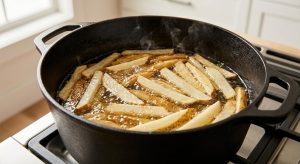
When you store acidic foods (like guacamole laced with lime juice) in cheap, degraded plastic, you run the risk of chemical leaching. Not to mention, cheap plastics harbor odors and bacteria. If you’ve ever wondered why your plastic containers stay greasy [2] no matter how hard you scrub them, it is because the porous material degrades and traps oils over time. Throw them out. I am dead serious. You should be banishing toxic kitchen gear [3] from your life immediately.
Invest in high-quality, tempered glass storage containers with airtight, silicone-lined snap lids. Glass is non-reactive, non-porous, and perfectly safe. And when it comes to the silicone seals, make sure you are buying platinum-grade silicone. If you’ve ever had the misfortune of noticing that your silicone spatulas taste like soap [4], it is because cheap silicone absorbs dishwasher detergents and transfers those flavors directly into your food. Don’t let a soapy lid ruin your perfectly crafted dip. Quality gear matters.
The Real Solution: The Water Barrier Method
Alright, we have eliminated the myths and cleaned out your Tupperware drawer. Now, it is time for the masterclass. The absolute best, most scientifically sound, and frankly easiest way to keep your guacamole vibrantly green for up to three days in the fridge is the water barrier method.
I know what you are thinking. Water? On top of my guacamole? Won’t it get soggy and gross?
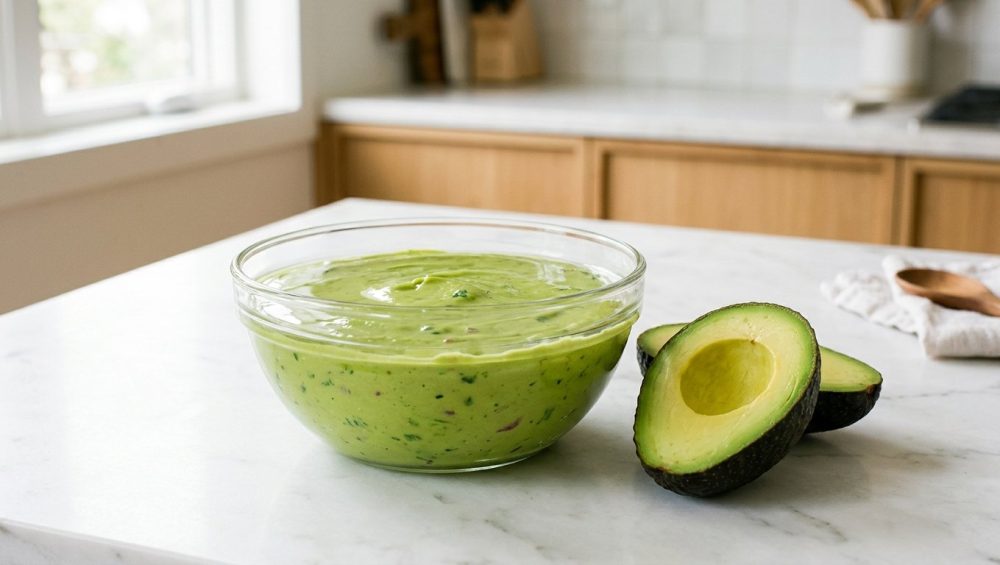
No, it will not. Remember, avocados are incredibly dense and packed with fat. Water and fat repel each other. The guacamole will not absorb the water. Instead, the water acts as the ultimate, flawless, 100% impenetrable oxygen shield. Water perfectly conforms to every single lump and bump on the surface of your dip, leaving absolutely zero air pockets. It is the magic of a water seal [5], and it is going to change your life.
Step-by-Step: How to Execute the Water Barrier
Do not just dump a glass of tap water into your bowl and hope for the best. There is a precise technique to this if you want professional-level results in your home kitchen.
Step 1: Pack It Down Tight
Transfer your leftover guacamole into a high-quality glass storage container. Using the back of a spoon, aggressively pack the dip down. You want to eliminate any internal air bubbles and create the flattest, smoothest surface possible. The smoother the surface, the easier the water barrier will be to manage.
Step 2: The Gentle Pour
Take a small cup of lukewarm or room-temperature water. Do not use ice-cold water, as it can sometimes shock the fats and alter the surface texture slightly. Gently—and I mean gently—pour the water down the inside edge of the container. Do not pour it directly into the center of the guacamole, or you will create a crater. Let the water cascade down the side of the glass and slowly flood the surface of the dip.
Step 3: The Half-Inch Rule
You only need about half an inch of water to completely cover the surface. Make sure the entire top layer of the guacamole is submerged. If there is a rogue chunk of avocado poking through the water like an island, that chunk will turn brown. The power of a water shield [6] relies entirely on complete, uninterrupted coverage.
Step 4: Seal and Chill
Snap the airtight lid onto your glass container and place it in the refrigerator. The cold temperature of the fridge will further slow down any enzymatic activity, working in tandem with the water barrier to preserve your dip perfectly.
Step 5: The Pour-Off and Stir
When you are ready to eat the guacamole—whether it’s the next day or three days later—take the container out of the fridge. Carefully tilt it over the sink and pour off the water. Because the guacamole is so dense, the water will slide right off. Once the water is gone, give the dip a quick, vigorous stir to incorporate any microscopic droplets of moisture that might be left behind. I promise you, the texture will be exactly as creamy and perfect as the moment you made it, and the color will be a stunning, vibrant green.
Prepping for Success: Ingredients and Tools
While the water barrier method will save your leftovers, a truly exceptional guacamole starts long before it hits the storage container. Since we are doing a definitive masterclass, we need to talk about your prep work. You can’t save a dip that was mediocre to begin with.
The Avocado Selection
You cannot rush a hard avocado, and you cannot salvage a rotten one. If you are throwing away sad veggies [7] and overripe fruits on a weekly basis, you need to rethink your grocery shopping strategy. Buy your avocados firm and let them ripen on the counter. The moment they yield to gentle pressure, put them in the crisper drawer of your fridge. The cold will pause the ripening process, holding them at peak perfection for several days until you are ready to use them.
The Mashing Technique
Stop pureeing your guacamole into a smooth, baby-food paste. A great guacamole needs texture. Use a fork, a potato masher, or a traditional molcajete to gently crush the avocados. You want distinct, creamy chunks, not a homogenized puree. Over-mashing also exposes more surface area to oxygen during the prep phase, which accelerates browning before you even get a chance to store it.
The Onion Dilemma
White onions are traditional for guacamole, offering the sharpest, cleanest bite. But if you find yourself sobbing over the cutting board every time you prep them, you are doing it wrong. The reason you cry chopping onions [8] is almost always because you are using a dull blade. A dull knife crushes the onion’s cell walls rather than slicing cleanly through them, releasing a massive cloud of the volatile sulfur compounds that irritate your eyes.
If your knives get dull so fast [9] that you can barely slice a tomato, you need to learn how to hone them regularly and stop cutting on hard bamboo or glass cutting boards. A sharp knife means clean cuts, less cellular damage, and zero tears.
The Flavor Enhancers
Salt, fresh cilantro, and jalapeño are non-negotiable. But here is a pro-tip: do not add tomatoes to your guacamole if you plan on storing it. Tomatoes release a massive amount of water as they sit, which will turn your carefully preserved dip into a sloppy, watery mess by day two. If you absolutely must have tomatoes, dice them and serve them on the side, or sprinkle them on top right before serving.
And please, for the love of all things culinary, do not spray your prep bowls with non-stick aerosols to make them easier to clean. We already know that cooking spray is the enemy [10] of high-quality cookware, but it will also leave a bizarre, chemical-tasting film on your fresh ingredients. Just use a clean bowl.
Troubleshooting Weekday Guacamole: Efficiency is Everything
I know that on a Tuesday night after a long day at the office, the last thing you want to do is fuss over a bowl of avocado. Time is money. But making a fresh batch of guacamole does not have to be a stressful, time-consuming chore.
If you want to meal-prep your dips for the week, the water barrier method is your best friend. You can easily double your recipe on Sunday afternoon, pack it into individual, single-serving glass containers, and apply the water seal to each one. This gives you grab-and-go portions of perfect, bright green guacamole for your weekday lunches without any frantic morning prep.
Just remember to be gentle when transporting them. If you throw the container into your work bag and it gets aggressively shaken around, the water barrier will break, the water will mix into the dip, and you will end up with an unappetizing avocado soup. Keep the containers upright, and pour the water off into the office sink right before you eat.
The Science of Salt and Oxidation
Another small detail that weekend culinary hobbyists often overlook is the role of salt. Salt is a flavor amplifier, but it is also a moisture extractor. When you salt your guacamole, it begins to draw moisture out of the avocado cells. This isn’t inherently a bad thing, but it does mean that heavily salted guacamole will break down texturally a bit faster than unsalted guacamole.
If you are making a massive batch for a party and you know it’s going to sit out on a buffet table for a few hours, hold off on salting it until the absolute last second. And when you do salt it, use a high-quality kosher salt or flaky sea salt. The larger crystals dissolve more slowly and provide beautiful, crunchy bursts of flavor, rather than turning the whole dip into a salty paste.
Conclusion: You Are in Control
Cooking should never be a source of anxiety. You do not need to be at the mercy of a temperamental piece of fruit. By understanding the simple, scientific reality of polyphenol oxidase and oxygen, you can completely eliminate one of the most annoying kitchen frustrations of all time.
You now know that the avocado pit is useless. You know that drowning your dip in lime juice is a flavor tragedy. And you know that the water barrier method is the undisputed champion of guacamole preservation.
So, the next time you are hosting a dinner party or just prepping some snacks for the weekend, you can do it with total confidence. You can make your guacamole hours—or even days—in advance, knowing that it will emerge from the fridge looking like a vibrant, emerald-green masterpiece. Ditch the toxic plastic, sharpen your knives, and trust the science. You’ve got this, and your tacos are going to be spectacular. Now go pour yourself that glass of wine; you’ve earned it.